Imperial Hotel Kyoto: Hospitality Reimagined Within Gion
- 1月18日
- 読了時間: 3分
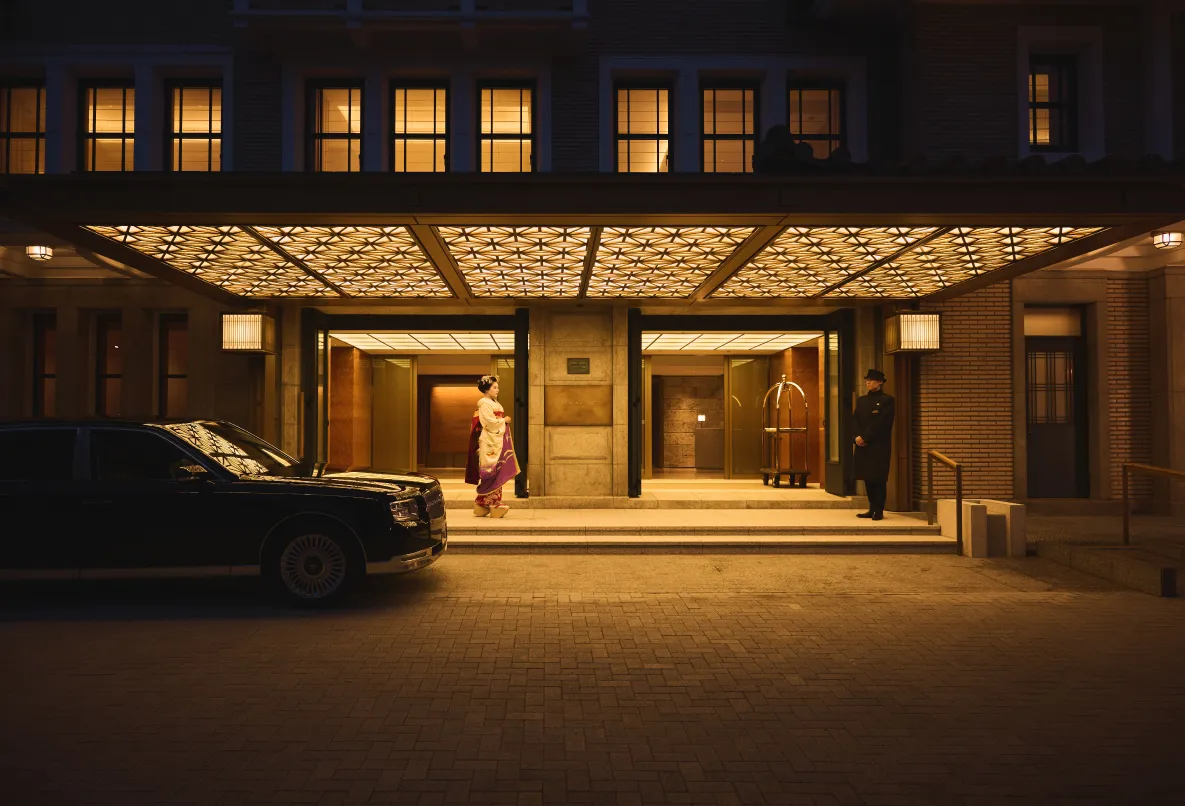
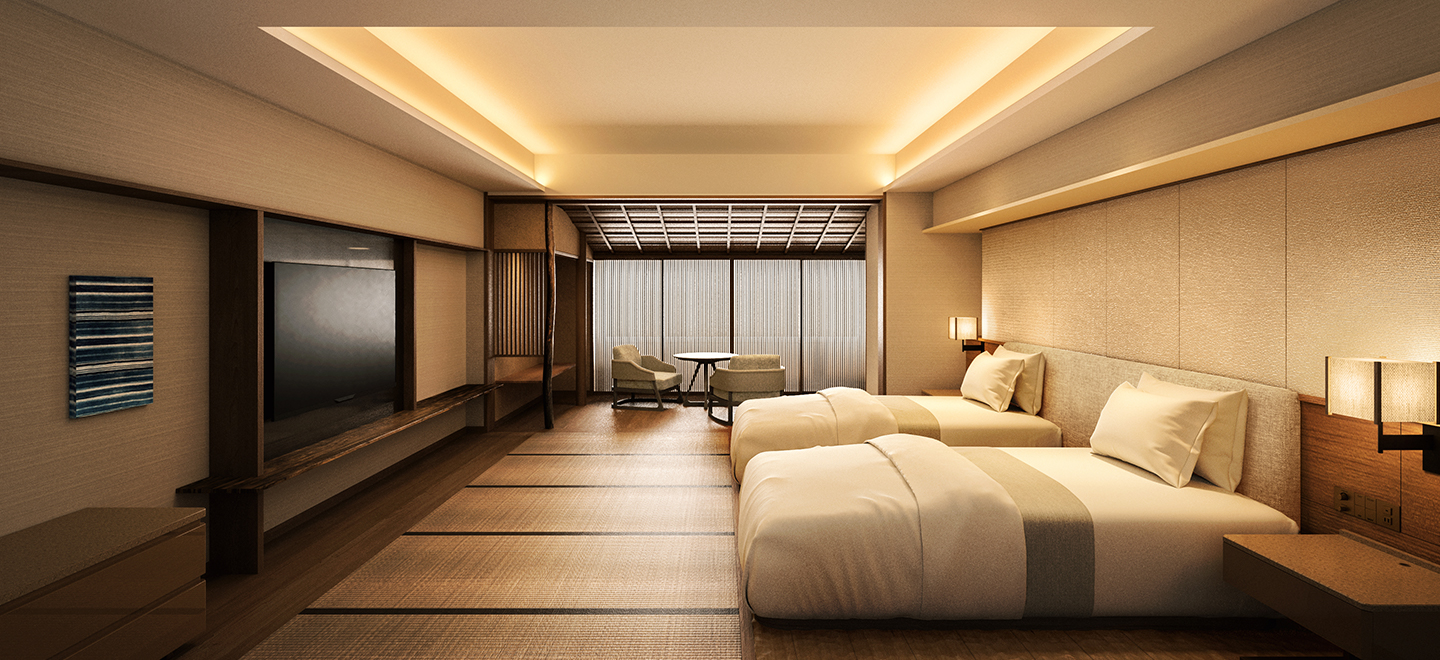
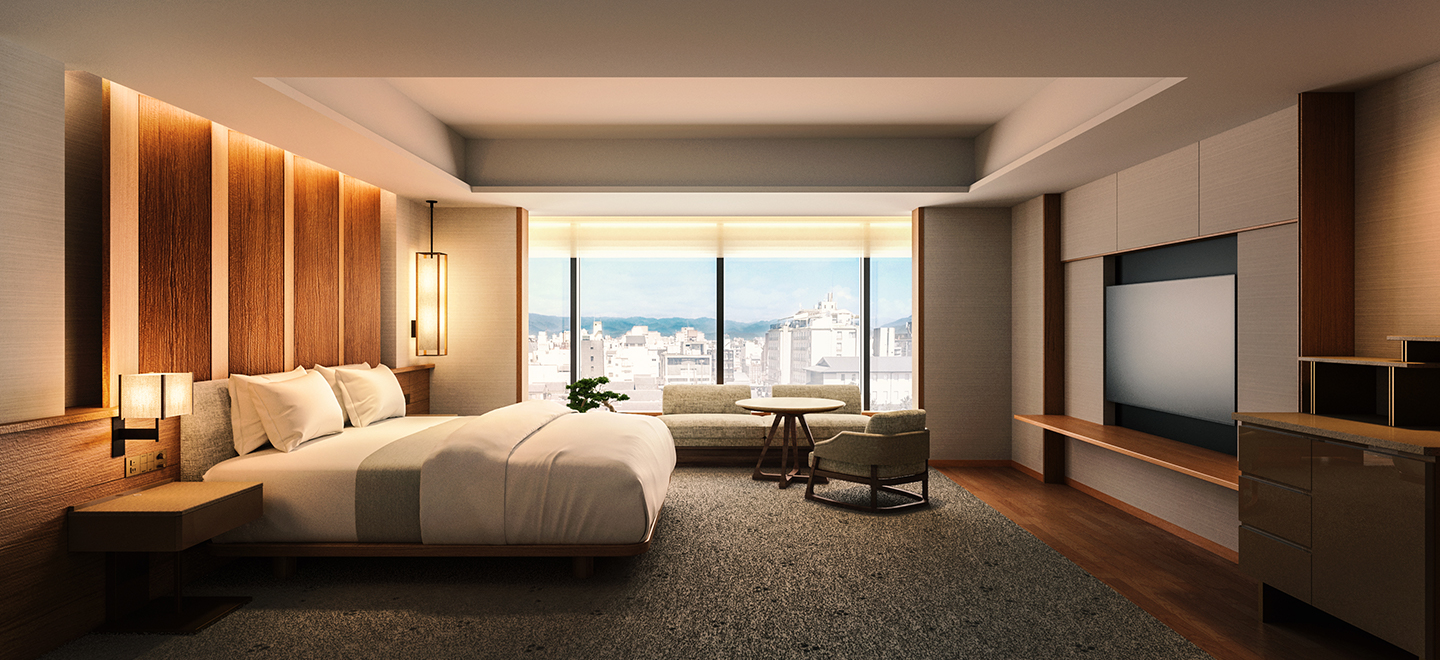
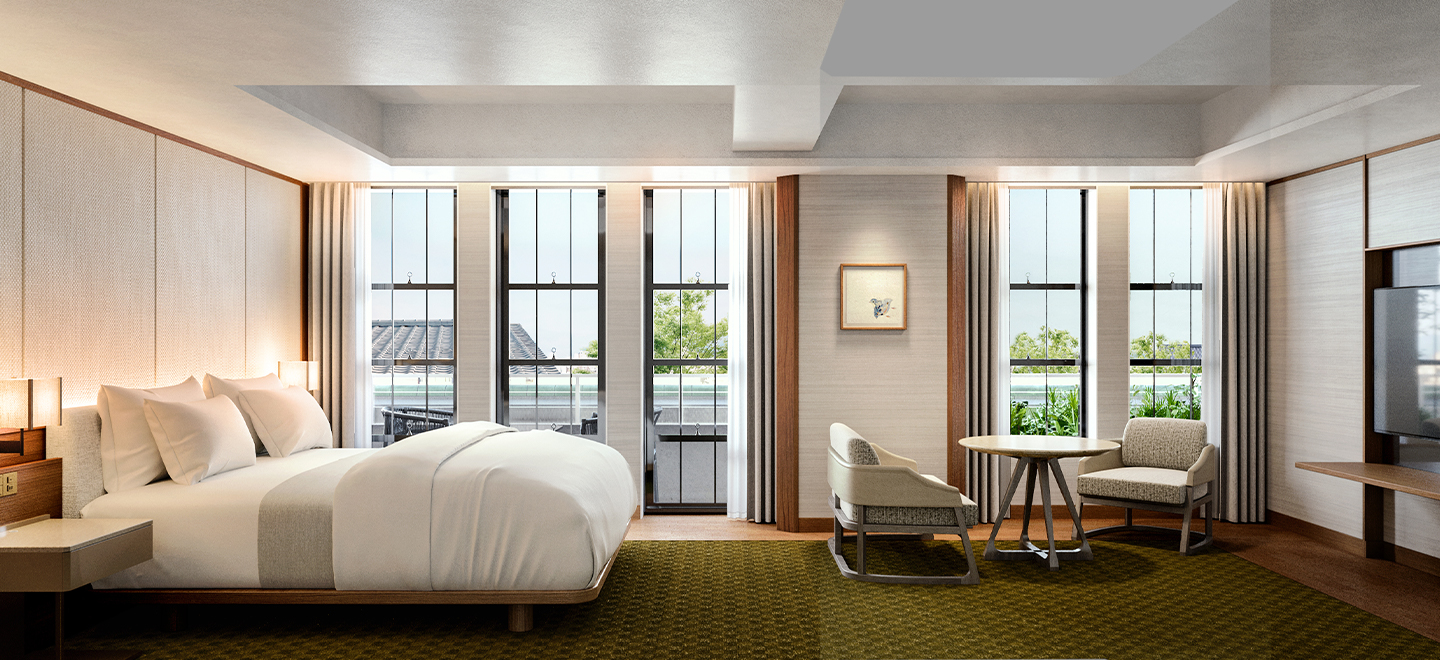
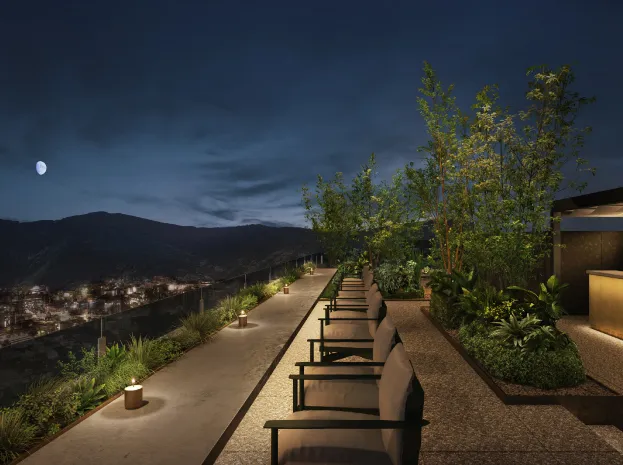
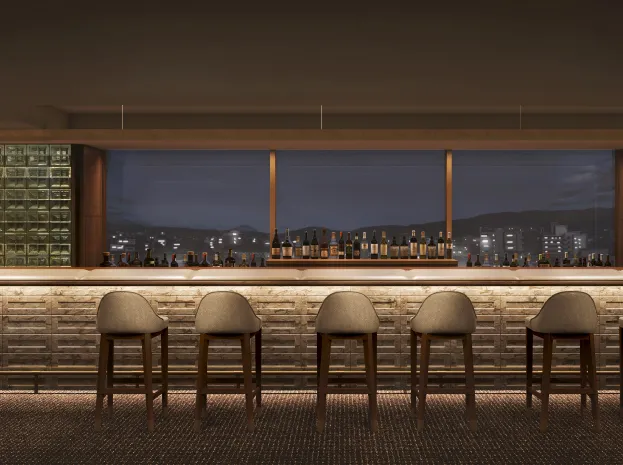
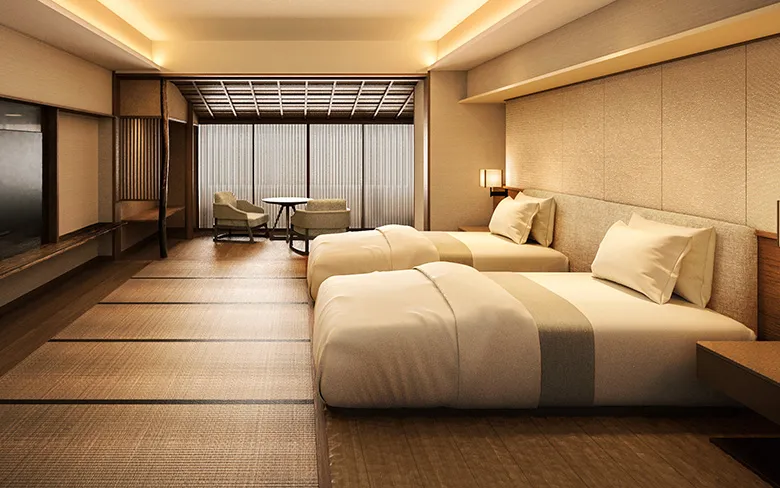
In 2025, Imperial Hotel Kyoto opens its doors in one of Japan’s most culturally layered districts: Gion. This is not merely the debut of another luxury hotel. It marks a moment in which one of Japan’s most emblematic hospitality institutions reconsiders its identity within the country’s most tradition-bound city.
For over a century, Imperial Hotel has served as a symbol of modern Japanese hospitality—hosting global dignitaries and embodying how Japan presents itself to the world. Kyoto, by contrast, is a city defined not by reinvention, but by continuity. Here, history is not preserved behind glass; it is lived.
Imperial Hotel Kyoto emerges precisely at the intersection of these two worlds.

Yasaka Kaikan: A Modern Past Embedded in Gion
The hotel is housed in the former Yasaka Kaikan, a historic building completed in 1936. Located in the heart of Gion, the structure once functioned as a theater and cinema—a cultural gathering place during Kyoto’s early modern era.
Architecturally, Yasaka Kaikan stands as a rare example of prewar modern construction woven into Kyoto’s traditional urban fabric. Rather than erasing this past, the Imperial Hotel has chosen to preserve and repurpose the building, allowing its layered history to remain legible within the contemporary city.
In Kyoto, demolition is never a neutral act. To reuse an existing structure is not simply a design decision, but a cultural stance.

The Meaning of Not Building Anew
Unlike many global luxury hotels that assert their presence through iconic new architecture, Imperial Hotel Kyoto takes the opposite approach. There is no attempt to dominate the skyline or introduce a bold visual statement.
Instead, the hotel adopts a posture of restraint—allowing the existing building, the surrounding streetscape, and the rhythm of Gion itself to take precedence. This decision reflects a deeper alignment with Kyoto’s values, where architecture is expected to participate quietly in the city rather than stand apart from it.
It is also consistent with the Imperial Hotel’s own philosophy: hospitality as something felt rather than displayed.

A Quiet Form of Luxury
Luxury at Imperial Hotel Kyoto is defined not by spectacle, but by calibration. The careful balance between preservation and modern comfort, between historical structure and contemporary use, creates an atmosphere that feels measured and deliberate.
Rather than emphasizing contrast between old and new, the project prioritizes continuity—allowing time itself to become part of the experience. This approach resonates strongly with Kyoto’s aesthetic traditions, where subtlety, shadow, and absence often speak louder than ornament.
What emerges is a form of quiet luxury—one that reveals itself gradually, through space, movement, and atmosphere.

Hospitality in Gion: Knowing One’s Distance
Gion is more than a destination. It is a living cultural environment shaped by ritual, faith, and everyday life. Visitors are welcomed, but always as outsiders stepping into a pre-existing order.
In this context, Imperial Hotel Kyoto functions as a mediator. It offers international guests an entry point into Kyoto while maintaining a respectful distance from the city’s internal rhythms.
To host without intruding, to welcome without overwhelming—this balance lies at the heart of Kyoto’s notion of hospitality. Imperial Hotel Kyoto embraces this tension rather than attempting to resolve it.

Connecting the Past to the Future
Imperial Hotel Kyoto is not about preserving history as an artifact. It is about keeping history active, allowing a nearly century-old building to continue generating meaning in the present.
As Japan’s luxury landscape evolves, projects like this suggest a shift in values. Rarity and novelty give way to context, responsibility, and cultural literacy.
In Gion, the Imperial Hotel does not announce itself loudly. Instead, it listens—adding a new chapter to a story that has been unfolding for generations.